

Fire Protection on a Curve: Answering the Challenge of Curved Fabrication
Project Overview
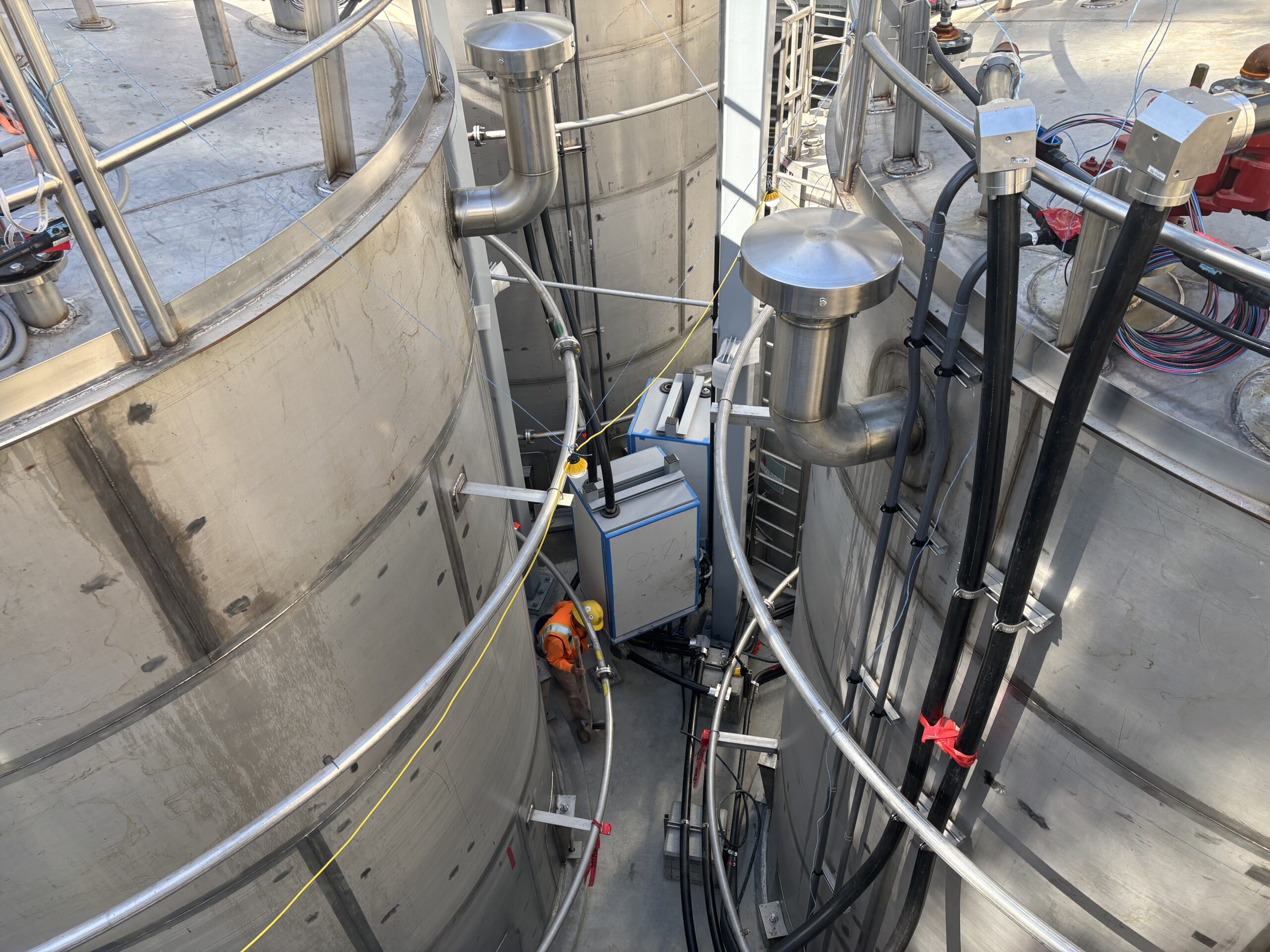
The University of California, San Francisco (UCSF) Parnassus campus undertook a project in early 2026 to replace nine diesel fuel tanks of varying sizes. Each tank required an independent fire protection system designed to deliver effective coverage across curved tank surfaces. Traditional straight pipe solutions were not viable due to the geometry of the tanks, requiring a custom curved stainless steel piping approach.
As Dan Torino, outside sales representative at Core & Main, explained: "Curved pipe is not a common requirement in most fire protection systems. We worked with our customer and outside vendors to find a solution.”
RLH Fire Protection partnered with Core & Main to develop and execute a fabrication solution. The system required 2-inch Schedule 10 stainless steel piping to be bent precisely to match each tank’s curvature while maintaining flange-to-flange connections for installation efficiency and compliance. Some grooved material also was developed.
The fabrication process involved multiple coordinated steps. Standard pipe was first prepared, then sent to a specialized bending partner, where it was curved to the required specifications. The pipe was then returned to the Core & Main Lodi facility for final fabrication, including flange installation and welding. Maintaining both the curvature of the pipe and proper sealing surfaces during welding required a high level of precision.
The project demanded close coordination between all parties, Rob Ergonis, Branch Manager of the Lodi facility, noted.
"The level of collaboration with RLH and Stockton Tri Industries helped make this a success,” he said. “RLH had a deadline, and we were able to work with them to make sure they had the products they needed on site at the appropriate times. From a fabrication standpoint, sequencing the bending, welding, and assembly correctly—while also maintaining precise flange alignment on a curved system—was critical to avoiding rework and ensuring everything fit and sealed properly in the field."
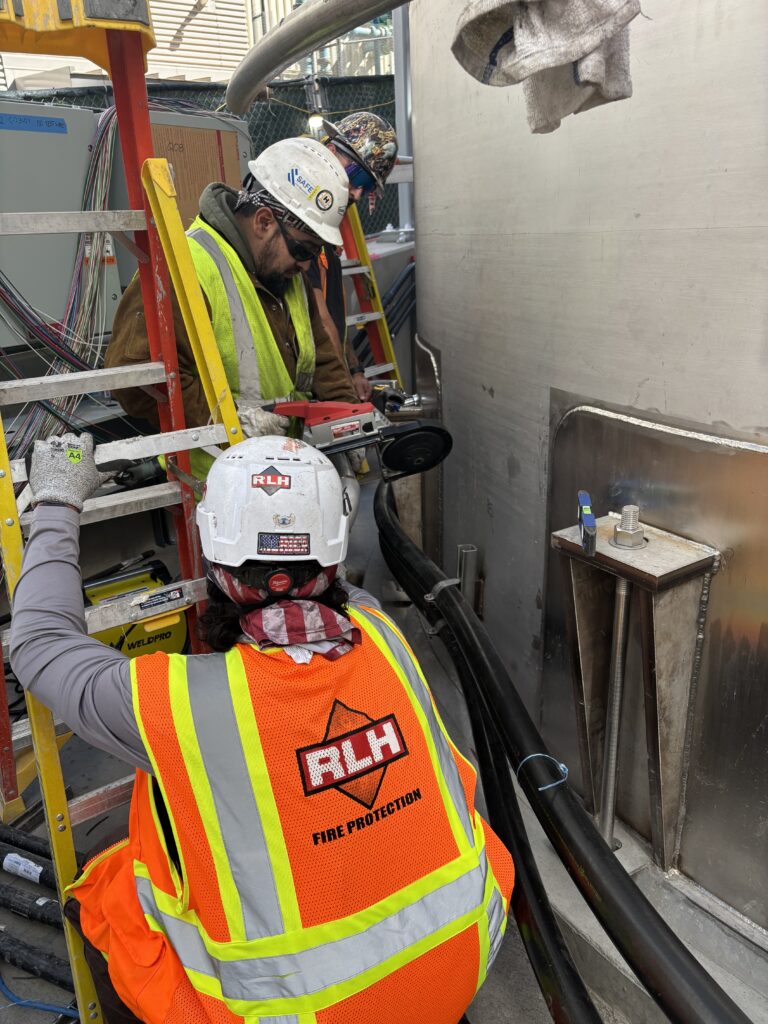
State inspection oversight was required throughout the welding process to ensure compliance with fire protection standards. Once completed, the pipe assemblies were mounted on engineered stabilizers, allowing the system to maintain alignment and structural integrity while surrounding each tank.
"Curved pipe is not a common requirement in most fire protection systems. We worked with our customer and outside vendors to find a solution."
Dan T.,
Outside Sales Representative